
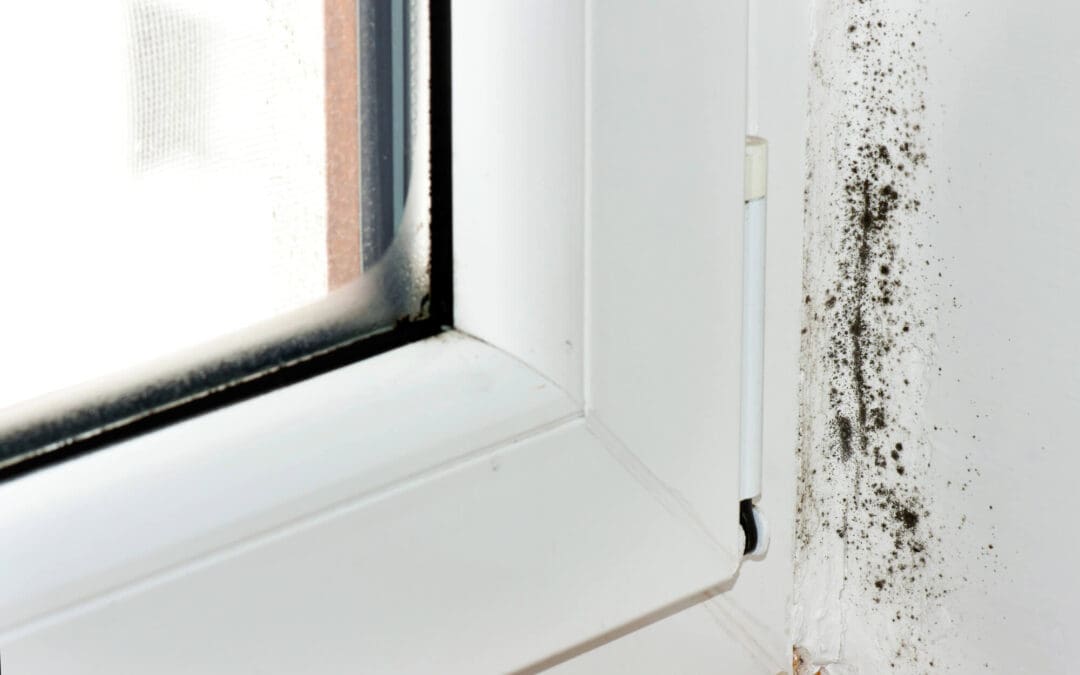
Preventing mold growth is one of the most important steps homeowners can take to protect both their property and their health. Mold thrives in damp, poorly ventilated environments and often begins growing long before it’s visible. Once established, it could damage building materials, trigger allergies, and create persistent odors that are difficult to eliminate. The good news is that with the right habits and awareness, preventing mold growth will become a natural part of everyday home maintenance rather than a costly reaction to a hidden problem.
Preventing Mold Growth Starts With Understanding Moisture
Mold needs moisture to survive, so controlling moisture is the foundation of preventing mold growth. Water may enter a home in obvious ways, such as roof leaks or plumbing failures, but it also builds up quietly through humidity, condensation, and poor airflow. Bathrooms, kitchens, basements, crawl spaces, and laundry areas are especially vulnerable because moisture is a regular byproduct of daily use. Humidity levels above 60% create ideal conditions for mold. Even without leaks, humid air may settle on cooler surfaces like windows, exterior walls, or uninsulated pipes, creating condensation that feeds mold spores. Managing moisture means paying attention not only to water intrusion, but also to how air moves and circulates throughout the home.
Ventilation Plays a Key Role in Preventing Mold Growth
Proper ventilation removes moist air before it has a chance to settle and cause problems. Bathrooms should always have functioning exhaust fans that vent outdoors, not into attics or wall cavities. Kitchens benefit from range hoods that direct steam outside. Whole-house airflow matters just as much as room-by-room ventilation. Homes that are tightly sealed for energy efficiency may unintentionally trap humid air indoors. Balanced ventilation systems or periodically opening windows during low-humidity weather will help maintain healthier indoor conditions. Consistent air movement helps prevent mold from taking hold in hidden corners and enclosed spaces.
Everyday Habits That Make an Impact
Small daily routines have a significant impact on preventing mold growth over time. Wiping down shower walls, leaving bathroom doors open after use, and running fans after showering all help moisture evaporate faster. Promptly drying wet shoes, towels, and coats prevents them from becoming mold-prone. In laundry rooms, avoiding overloading washing machines and promptly transferring clothes to the dryer reduces lingering moisture. Basements benefit from regular checks for dampness, especially after heavy rain. Even simple actions could dramatically reduce the likelihood of mold becoming a problem.
Preventing Mold Growth Through Home Maintenance
Routine maintenance is a powerful tool for preventing mold growth. Roofs, flashing, gutters, and downspouts should be inspected periodically to ensure water is directed away from the home. Clogged gutters or poorly graded soil can funnel water toward the foundation, increasing the risk of moisture in the basement or crawl space. Plumbing systems deserve close attention as well. Slow leaks under sinks, around toilets, or behind appliances often go unnoticed until mold has already developed. Regularly checking these areas allows issues to be addressed early, before moisture causes lasting damage. Maintaining caulking and sealants around tubs, showers, windows, and doors also helps keep water where it belongs.
Materials and Design Choices That Support Preventing Mold Growth
Certain materials naturally resist moisture better than others. Using mold-resistant drywall in bathrooms, sealing concrete floors, and choosing flooring suited for humid environments all support long-term mold prevention. Insulating cold surfaces, such as exterior walls and pipes, reduces condensation, cutting off a common moisture source. Storage habits matter as well. Cardboard, fabric, and paper products absorb moisture easily and should be kept off basement floors or stored in dry, well-ventilated areas. Thoughtful organization and material choices quietly support a mold-resistant home.
When Professional Insight Makes a Difference
Sometimes mold issues stem from hidden conditions that aren’t obvious during everyday living. Professional inspections can identify moisture intrusion, ventilation deficiencies, or humidity problems before visible mold appears. Early detection allows corrective steps to be taken while solutions are still straightforward and affordable, reinforcing the overall strategy of preventing mold growth rather than reacting to it.
By focusing on moisture control, ventilation, maintenance, and mindful daily habits, homeowners can take confident, proactive steps to prevent mold growth and maintain a healthier living environment year-round.
Frequently Asked Questions (FAQs)
What is the most common cause of mold in homes?
The most common cause is excess moisture from humidity, leaks, or poor ventilation. Mold spores are always present, but moisture allows them to grow and spread.
Can mold grow even if there are no visible leaks?
Yes. High indoor humidity and condensation on cool surfaces may provide enough moisture for mold growth even without active leaks.
Is a dehumidifier effective for preventing mold growth?
A dehumidifier can be very effective, especially in basements or humid climates. Keeping indoor humidity below 50 percent significantly reduces mold risk.
How quickly does mold start growing?
Mold can begin growing within 24 to 48 hours when moisture is present. That’s why quick drying and prompt repairs are so important.
Should mold always be removed professionally?
Small, surface-level mold can sometimes be cleaned safely, but widespread or recurring mold often indicates underlying moisture issues that benefit from professional evaluation.
Seahorse Home Inspections provides home inspections to buyers in St. Lucie County and the surrounding areas. Contact us to schedule an appointment.